Best Practices for Trust Distribution Minutes
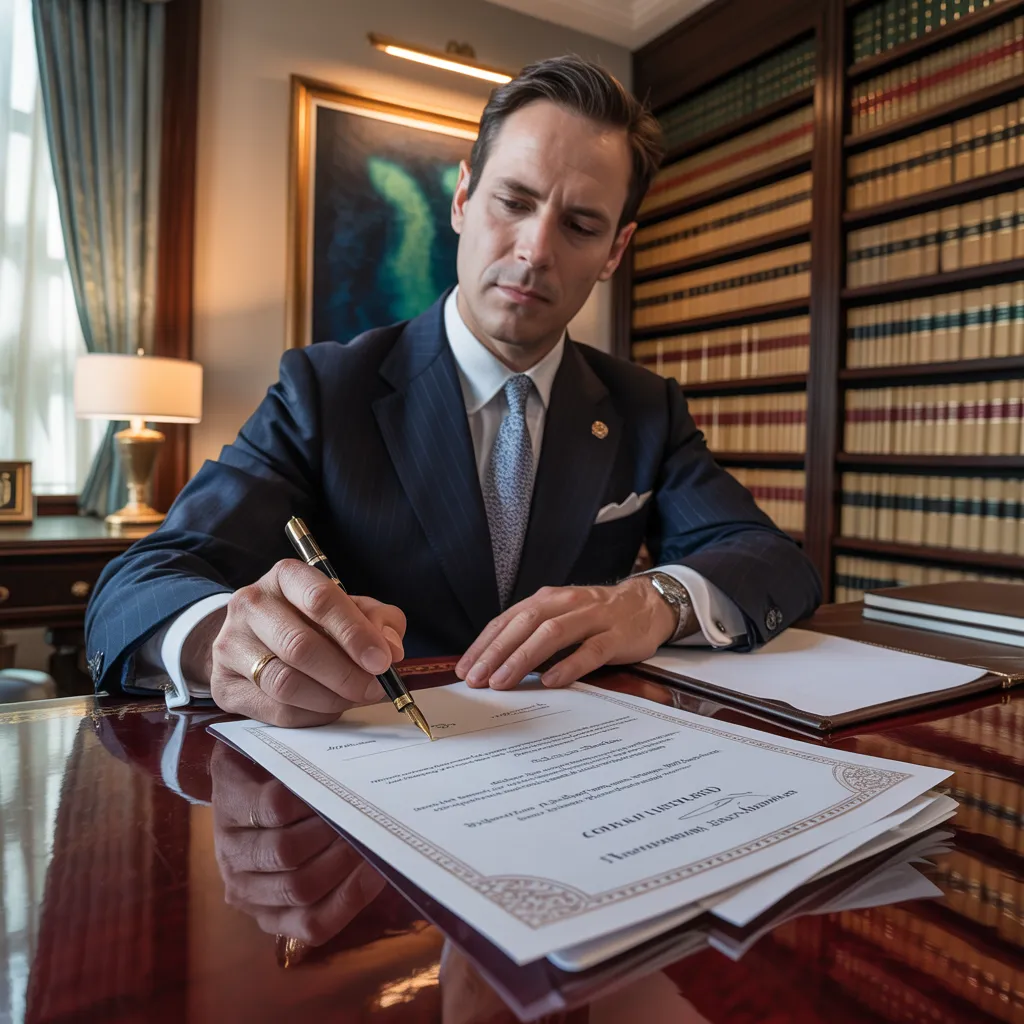
Trust distribution minutes constitute a vital position in accomplished trust direction. They serve as a formal documentation of decisions made regarding asset disbursements and guarantee transparency among stakeholders. A carefully crafted framework not only clarifies the distribution sequence but also fosters responsibility. However, many trust officers disregard key protocols that could optimize these minutes. Understanding these best practices can substantially shape the potency of trust governance and the pleasure of beneficiaries. What are these required practices?
Why Trust Distribution Records Matter: Essential Advantages for Trustees
Although trust distribution minutes may seem like a mere formality, they serve essential functions for trustees. These minutes function as official records detailing decisions made regarding distributions, guaranteeing transparency and accountability. By recording the reasoning behind each distribution, trustees can safeguard their interests from potential disputes or legal challenges in the future.
Furthermore, trust distribution minutes facilitate correspondence among beneficiaries and trustees, fostering reliability and understanding. They supply a explicit outline of the trust's financial circumstances and distribution basis, which can help to handling beneficiary desires.
Additionally, meticulous minutes stand as a touchstone for prospective decisions, empowering trustees to maintain consistency in their undertakings. Ultimately, the meticulous recording of these minutes promotes sustaining fiduciary responsibilities, reinforcing the reliability of the trust governance. In this respect, neglecting this approach can lead to misunderstandings and complications that could have been readily circumvented.
Essential Components of Trust Distribution Minutes
The critical components of trust circulation minutes represent an significant role in ensuring effective management and transparency. Key session participants should be clearly marked, whereas extensive distribution frameworks furnish a framework for determinations. Additionally, transparent documentation procedures are essential for maintaining dependable records and promoting subsequent retrieval.
Key Meeting Participants
Productive trust distribution meetings copyright on the presence of key participants who contribute to thoughtful choices. Primary participants include the trustee, who oversees the distribution process, and entitled parties, whose feedback provides essential insights. Legal counsel play a significant role in securing compliance with relevant laws and regulations, while financial consultants offer commentary on the trust's asset management and distribution consequences. Additionally, any secondary trustees should be involved to ensure transparency and mutual decision-making. Concerned parties might feature loved ones or representatives advocating for the beneficiaries' welfare. Each participant's unique perspective refines the richness of dialogue, verifying that all significant considerations are weighed, ultimately leading to balanced and just trust distributions.
Complete Supply Requirements
Setting up explicit distribution guidelines is critical for effective distribution sessions with beneficiaries. These standards should outline the requirements for distributions, incorporating qualification and the exact purposes for which assets may be allocated. It is necessary to define the authorization procedures, specifying who has the authority to authorize payments and how choices will be communicated to beneficiaries. Additionally, guidelines should address the frequency of distributions, making certain that beneficiaries have a transparent understanding of when they can look forward to to receive funds. By providing a structured framework, these standards help minimize miscommunications and guarantee that allocations match with the trust's objectives. Sticking to these guidelines fosters transparency and accountability among fiduciaries and beneficiaries alike.

Lucid Documentation Frameworks
Meticulous and detailed documentation is crucial for preserving lucidity in trust distribution meetings. Clear record-keeping systems should include the date, time, and location of the meeting, as well as a list of attendees. Each trust distribution discussed must be documented with precise information, including the amount distributed, the recipient, and the explanation behind each decision. Additionally, any understandings or disagreements raised during the meeting should be documented to provide a thorough understanding of the discussions. It is also vital to designate follow-up actions with deadlines to guarantee accountability. By following these documentation practices, trustees can create a solid record that increases transparency and enables future decision-making processes. This organized approach ultimately enhances the fiduciary management and participant assurance.
Top Tips for Creating Strong Trust Distribution Minutes
When composing effective trust distribution minutes, lucidity is essential. A clear purpose statement assures all parties grasp the intent behind the distributions, while precise details about the distributions themselves prevent misunderstandings. These elements are critical for maintaining transparency and accountability in the trust administration process.
Transparent Purpose Statement
A carefully drafted purpose statement serves as the cornerstone for successful trust distribution minutes, maintaining clarity and focus throughout the record. This statement should clearly define the aims of the trust distribution, supplying insight for all participants involved. By clearly stating the purpose, it creates a foundation that guides discussions and decisions, avoiding ambiguity. It should be complete yet concise, demonstrating the objectives of the trust and the plans behind the distributions. Including a purpose statement not only fosters transparency but also enhances accountability among trustees and beneficiaries. A well-defined purpose statement lays the groundwork for the meeting, enabling participants to align their contributions with the primary objectives of the trust, ultimately leading to more efficient outcomes.
Precise Distribution Information
Clear and precise distribution details are key for successful trust distribution minutes. These details should include the names and relationships of beneficiaries, specific amounts or percentages to be distributed, and the date of distribution. Accurate records stop misunderstandings and disputes, making sure all parties are informed about their entitlements. Moreover, it is recommended to reference the trust document to validate the distribution decisions made. Each entry should be dated and signed by relevant parties to strengthen accountability. Incorporating a structured format can help clarity, enabling easy reference in the future. By adhering to these practices, trustees can maintain transparency, nurturing trust among beneficiaries while guarding against potential legal challenges. Accurate documentation solidifies the integrity of the trust administration process.
Sustaining and Modifying Trust Distribution Records: Best Practices
Strategic oversight of trust distribution records is vital for guaranteeing transparency and compliance. Routinely refreshing these records is essential to reflect any changes in distribution decisions, beneficiary information, or legal requirements. Developing a structured schedule for assessing and updating records helps copyright accuracy and relevance.
Employing digital tools can enhance the efficiency of record-keeping, allowing for easy access and retrieval of information. Secure storage solutions, both physical and electronic, are necessary to protect sensitive data from unauthorized access.
Moreover, documentation should be clear and organized, with each entry providing sufficient detail to support the decisions made. This includes noting the date of distributions, amounts, and the rationale behind each decision.
Training staff involved in trust management on best practices ensures consistency and minimizes the likelihood of mistakes. By adhering to these protocols, trustees can copyright their fiduciary responsibilities effectively.
Stay Away From These Standard Pitfalls in Trust Records
Steering trust documentation requires carefulness to avoid typical mistakes that can undermine its integrity. One prevalent mistake is the failure to document decisions clearly and swiftly. Insufficient records can lead to confusion and disputes among beneficiaries. Additionally, inconsistent terminology can create confusion; using precise, uniform language is essential for clarity. Another typical error is neglecting to include all relevant parties in discussions, which can result in partial records and a lack of transparency.
Also, overlooking legal requirements or updates in trust law can jeopardize the trust's legal standing. Failing in regular documentation review and updates may also add to outdated or inaccurate information. Finally, failing to deliver sufficient background for decision-making can impede future trustees' understanding of the trust's intent. By preventing these errors, trustees can ensure that trust documentation remains robust and reliable, thereby safeguarding the interests of all involved parties.
Strengthening Correspondence Among Participants Through Minutes
The act of documenting meeting minutes serves as a key tool for boosting exchange among beneficiaries in a trust. By noting down the dialogues, determinations, and action items, minutes give a precise record that can be referenced by all parties involved. This practice certifies that beneficiaries are kept informed about the trust's status and the rationale behind key decisions.
Effective documentation can encourage transparency, reducing misunderstandings and potential disputes among parties. By distributing these records quickly after meetings, all parties can remain in sync on expectations and responsibilities. Additionally, well-structured minutes promote engagement, allowing parties to feel involved in the trust's administration.
Regularly reviewing and circulating these documents not only encourages accountability but also acts as a historical archive that beneficiaries can access in the future. Ultimately, strengthening communication through minutes is vital for sustaining trust and cooperation among beneficiaries, supporting a smoother distribution process.
Popular Asked Questions
When Should trust distribution notes Be Refreshed?
Distribution trust minutes should be updated regularly, ideally after each distribution or significant decision, to ensure accurate records. Consistency in documentation promotes openness and helps maintain trust among beneficiaries and trustees throughout the process.
Are Beneficiaries Able to Request Records of Trust Distribution Minutes?
Beneficiaries are able to request copies of trust distribution minutes, given that transparency is generally encouraged within trust management. However, the possibility of obtaining these materials could depend on the specific terms outlined in the trust agreement.
What Results if Minutes Are Not Captured?
If trust meeting records are not recorded, it can lead to confusion among beneficiaries, potential disputes regarding distributions, and difficulty verifying adherence to trust requirements, ultimately jeopardizing the trust's administration and integrity.
What Legal Requirements Govern Trust Distribution Minutes?
Yes, compliance requirements for trust distribution minutes do exist, often differing by jurisdiction. Proper documentation assures compliance with regulations and protects trustees from liability, reinforcing the importance of maintaining accurate and thorough records during trust distributions.
Who Is Liable for Documenting the Minutes?
A fiduciary jump in generally bears duty to draft the minutes. The person must accurately chronicle resolutions pertaining to trust distributions, ensuring observance of statutory obligations and maintaining transparency for stakeholders and future review.